
What Ford Truck Is Best for Towing Boats?
Choosing a truck for towing begins with the trailer, not the truck's maximum rating. A 17-foot aluminum fishing boat places very different demands on a tow vehicle than a 24-foot wake boat. Fuel, batteries, fishing equipment, and a loaded cooler also add weight beyond the boat's published dry weight.
Consider all these factors when choosing the best Ford truck for towing boats. For instance, traveling to Lake Barton will likely involve mountain roads with long grades and tight curves, while a trip to Lake Lanier will almost certainly involve heavier traffic. The truck you choose must have sufficient capacity to handle a loaded trailer without operating at its limit. Let's take a closer look at which Ford truck is best for towing boats.
This matters around White County. Reaching Lake Burton requires mountain roads with long grades and tight curves. Trips toward Lake Lanier can involve heavier traffic before you ever reach the ramp. The truck needs enough capacity to handle the loaded trailer without operating at its limit.
Ford Maverick Towing Capacity
The 2026 Ford Maverick can tow 2,000 pounds in its standard configuration. If you need more towing power, adding the available 4K Tow Package bumps capacity up to 4,000 pounds. The higher rating makes the Maverick practical for many smaller recreational boats.
A personal watercraft on a single trailer is usually well within its range. Lightweight aluminum fishing boats measuring about 16 to 18 feet can also be a good match once you confirm the complete trailer weight.
If you are towing a large fiberglass bass boat or a full-size pontoon, it may be time to step up to a larger truck, like the Ranger. Boats this size can easily exceed the Maverick's maximum towing capacity once you add fuel and equipment.
Ford Ranger Towing Capacity
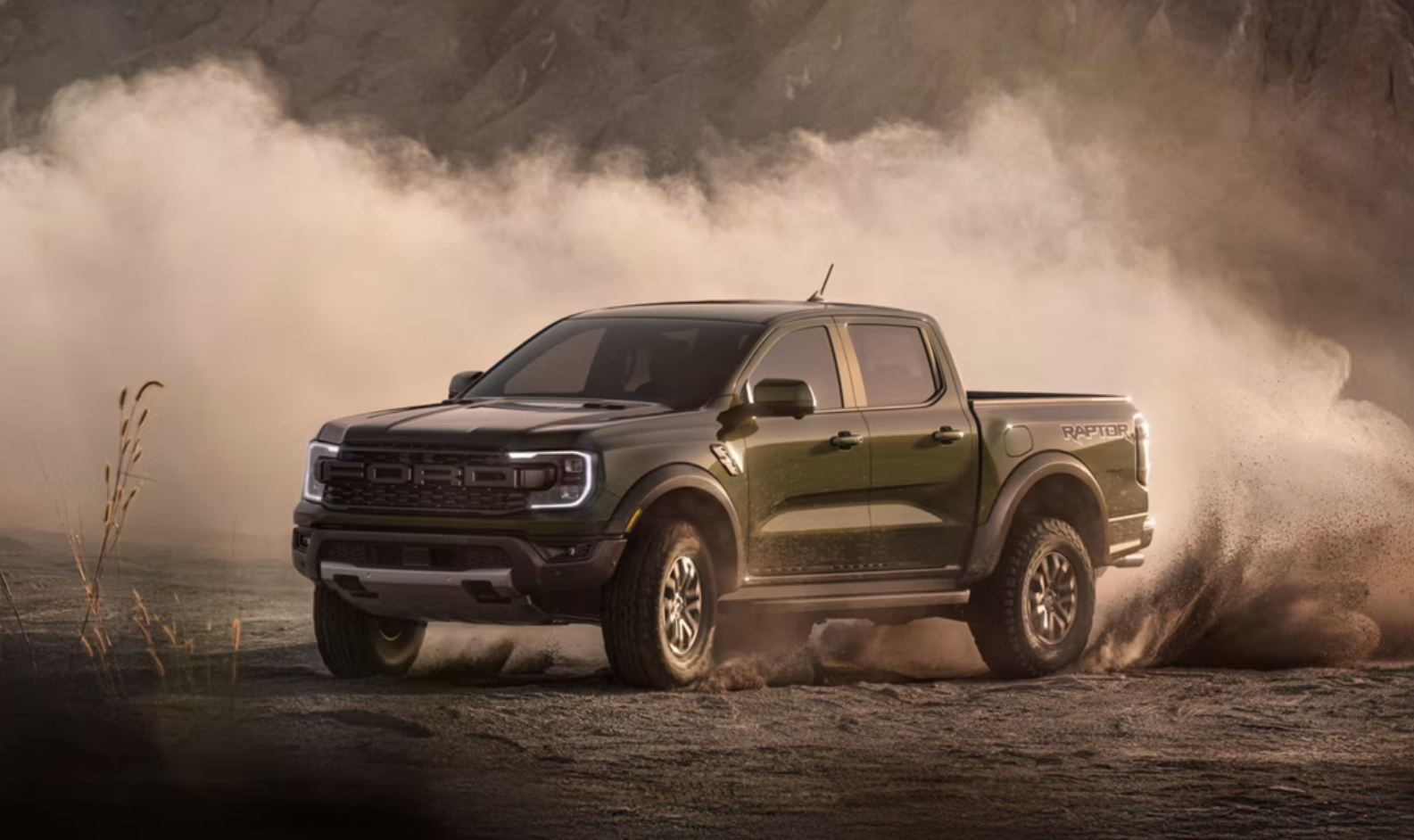
The 2026 Ford Ranger delivers the goods with a towing capacity of up to 7,500 pounds with the Trailer Tow Package. Its midsize dimensions also make it easier to maneuver around crowded parking areas and narrow mountain boat ramps.
An 18- to 21-foot bass boat typically falls into the Ranger's working range. Many fish-and-ski boats will fit, too. A properly equipped Ranger can pull some 20- to 22-foot pontoons, although the motor, trailer construction, and onboard equipment can create large differences in total weight.
This level of capability fits many weekend trips to Lake Burton. The lake is popular for fishing, but it also sees plenty of tubing and water skiing. A Ranger can tow a boat capable of handling either kind of day without requiring a full-size pickup for daily driving.
Ford F-150 Towing Capacity
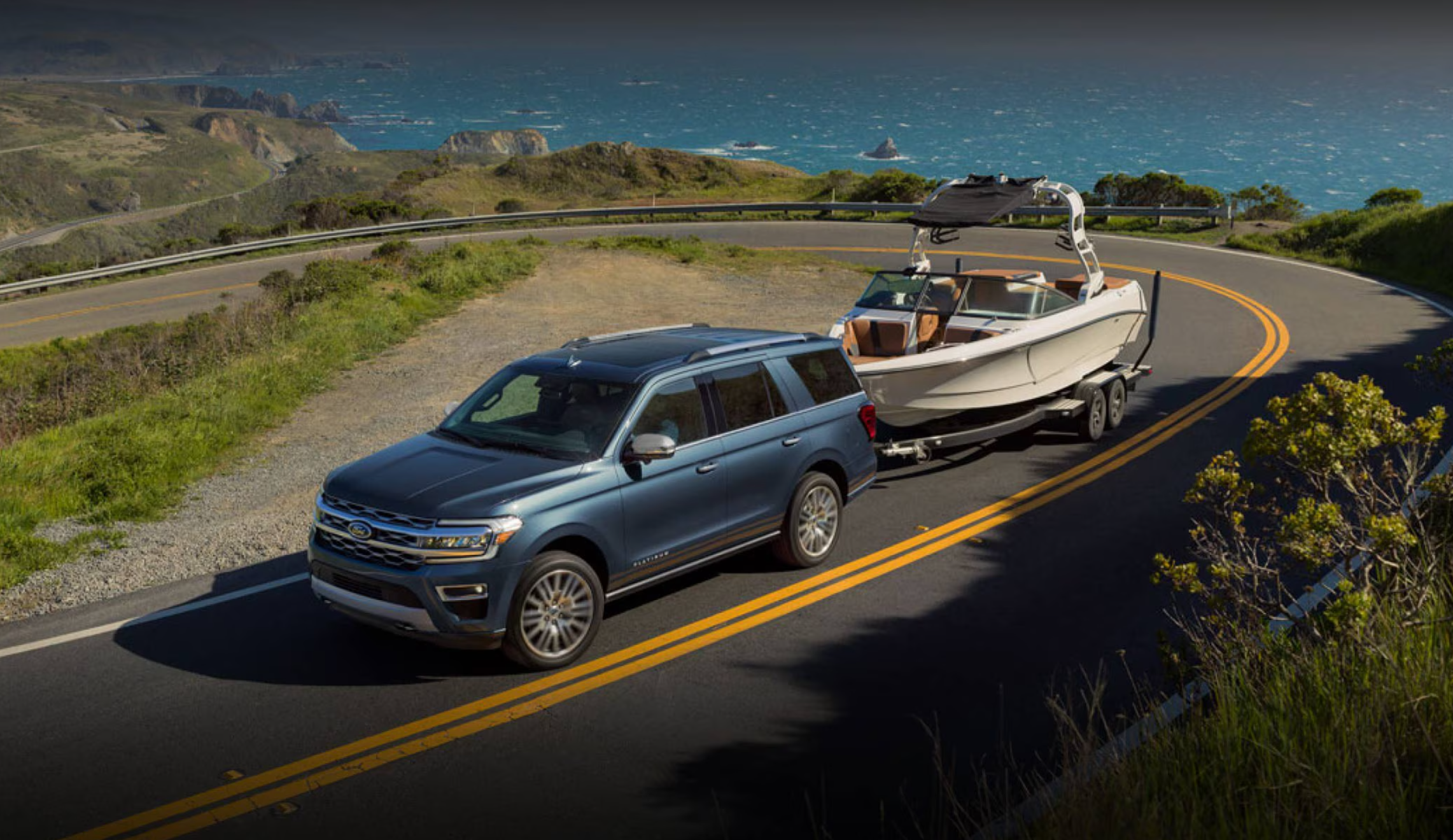
The 2026 Ford F-150 reaches a maximum available towing capacity of 13,500 pounds in the correct configuration. Engine choice, axle ratio, cab style, drivetrain, and towing equipment determine an individual truck's rating.
That's where larger recreational boats come in. A 21- to 25-foot wake boat can weigh considerably more than its published dry figure once you add the trailer, fuel, and wake-sports equipment. The F-150 provides more room for that additional load.
It also matches many pontoons in the 22- to 25-foot range. These boats are popular for relaxed family outings on Lake Lanier, where passengers often bring supplies for a full day on the water. The gear stored in the truck counts against its payload, so the capacity shown on the driver's doorjamb deserves as much attention as the advertised tow rating.
The available Pro Trailer Backup Assist system can help when lining up a trailer at the ramp. Four-wheel drive is another useful consideration. It will not increase the truck's tow rating, but it can improve traction on a steep, wet concrete ramp.
Ford Super Duty Towing Capacity
Ford Super Duty trucks are built for loads beyond most recreational boat owners' needs. The 2026 lineup offers immense towing capability, but the maximum number commonly advertised includes gooseneck towing. Boats are normally carried on conventional bumper-pull trailers, so shoppers should compare the conventional rating for the exact F-250 or F-350 configuration.
A Super Duty becomes relevant when the boat and trailer move beyond the comfortable operating range of an F-150. Large cabin boats can cross 10,000 pounds once loaded. Heavy offshore-style boats with multiple outboard engines can weigh even more.
Match the Truck to Your Loaded Boat Trailer
Boat length is a useful starting point, but it doesn't determine towing weight. A 22-foot aluminum pontoon can weigh far less than a fiberglass wake boat of similar length. Either way, you must account for the trailer's total weight.
Start by finding the boat's dry weight, then add the motor if it's listed separately. Be sure to include the trailer and installed batteries. Next, add in fuel and a rough estimate of any other significant gear that will make the trek.
Leave room between that total and the truck's maximum rating. This provides a cushion for passengers and cargo while reducing the chance of exceeding the vehicle's payload or rear axle limit.
Find a Ford Truck for Towing at John Megel Ford
Unsure about which truck is best? Bring your boat and trailer specifications to John Megel Ford in Cleveland, GA. Our team can help you compare the ratings of trucks currently in stock and identify the equipment installed on each one.
Contact John Megel Ford today!
Ford Truck and Boat Towing FAQs
Can a Ford Maverick Tow a Fishing Boat?
A Maverick with the available 4K Tow Package can pull many lightweight fishing boats measuring roughly 16 to 18 feet. The boat, motor, trailer, fuel, and equipment must remain within the truck's 4,000-pound maximum rating. Standard Maverick models are limited to 2,000 pounds.
Which Ford Truck Can Tow a Pontoon Boat?
A properly equipped Ranger can handle many smaller pontoons, particularly models around 20 to 22 feet. Heavier pontoons often call for an F-150. Check the total trailer weight because furniture packages, larger outboard engines, and additional batteries can change it substantially.
Is Four-Wheel Drive Necessary for Launching a Boat?
Two-wheel drive can handle a dry, well-maintained ramp with an appropriately sized trailer. Four-wheel drive provides additional traction on a steep ramp or one covered with water and loose material. It's useful for frequent trips to mountain lakes, even though it doesn't increase towing capacity.